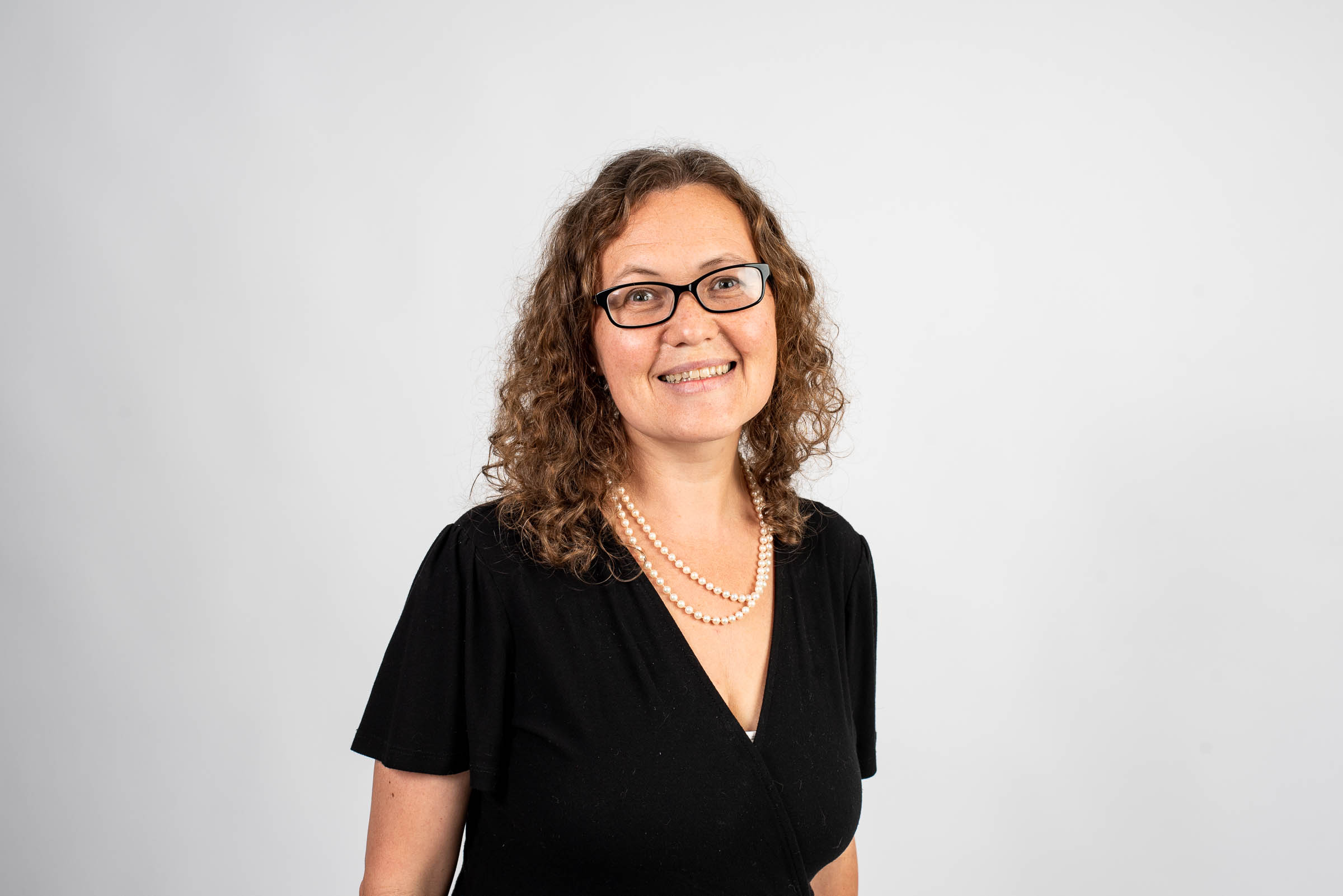
I have been engaged with music research and teaching across multiple levels of education for almost 20 years working with students from a range of cultural, class and ethnic backgrounds.
My vocational experience spans South Africa, the United States, England and Northern Ireland, in addition to field work conducted in various other parts of the world. My training undertaken in South Africa, emphasised music provision that was inclusive of a multitude of musical practices and people, including diverse South African folk music traditions. As a result, I approach music with a focus on developing skills that are transferable across a wide range of music disciplines and offer course content that draws on a broad spectrum of music-making activities, welcoming culture bearers into lectures to share their expertise.
I am a pianist and a singer, performing as an accompanist for student performances and school musicals. As a professional soprano section leader at the Episcopal Dallas Church of the Incarnation I performed choral repertoire drawn from the English choral tradition ranging from Renaissance motets to 20th Century Mass settings. I have sung popular and classical repertoire as a soprano soloist in both solo recitals and as part of choral concerts, notably Mozart’s Laudate Dominum with the Philharmonia choir of Cape Town whilst they were on tour in England. I have experience conducting various choirs and ensembles, such as South African folk song ensembles, chamber choirs and cabaret. As part of recent field work research into folk singing I have performed in the Ethno ensemble in Sweden and New Zealand, including leading the vocals for a Mandarin folk song at the Auckland Folk Festival.
My teaching at York St John centres on the relationship between research and musical practice with the aim of supporting students as they explore how their development as musicians can be informed by academic discourse and vice-versa. I support students in this capacity in Perspectives on Music 2 and the final year Dissertation module where I am the module leader.
In the first year VOX and Drumming courses, I focus on culturally responsive approaches to performing world and folk music traditions, as well as the role of collective singing in the construction of community identities, particularly as an act of protest or in response to conflict.
My post-doctoral research is part of the 3-year Ethno Research project. It is interdisciplinary, drawing from community music, music education and ethnomusicology. My methods have included fieldwork at Ethno Sweden, Ethno on the Road and Ethno New Zealand. With the restrictions on travel due to the COVID-19, my focus turned to online ethnography and data collection. I regularly conduct and transcribe online interviews and focus groups. I lead 2 independent projects, ‘Sustainability’ and ‘Ethno on the road’ and I am the co-lead for the History project where we are exploring the development of Ethno over the last 30 years. We support and coordinate a group of research associates in this area.
My experiences teaching in London were what informed my PhD research into community choir singing and its role in identity construction. I undertook research in a musical practice which I had years of practical knowledge in as a conductor and singer, however, I chose to conduct academic research as an ethnomusicologist. Ethnomusicology acknowledges the human experience of music making, blending anthropological ethnographic approaches with analysis of music making. My completed PhD was therefore a written theoretical piece of work that enhanced my understandings of my musical practice.
The arguments within the thesis centred around how the choir can be used as a form of collective identity formation and the role this may have in re-imagining identities in areas of conflict. My emphasis was on how wider contexts (such as sectarian division) can impact musical practice, but also conversely, how local musical practice could impact wider contexts. I also drew attention to the role of the choir singer in constructing collective identity within choral practice, rather than focusing purely on the choral conductor or facilitator, emphasizing the individual within a community of practice.
My research used the framework 'communities of practice' (Wenger, 1998). This is a theory of learning that focuses on how people learn through engaging with one another through practice. This approach is central to my teaching. When I teach, I consider how students can work collaboratively towards a final aim, be it a musical performance or an academic goal, reflecting the community of practice terms of 'mutual engagement' and 'joint enterprise'.