Learning and teaching
Decolonisation in theory and practice: Reading and resources
The readings and resources below provide a critical foundation from which to approach decolonisation within higher education (HE).
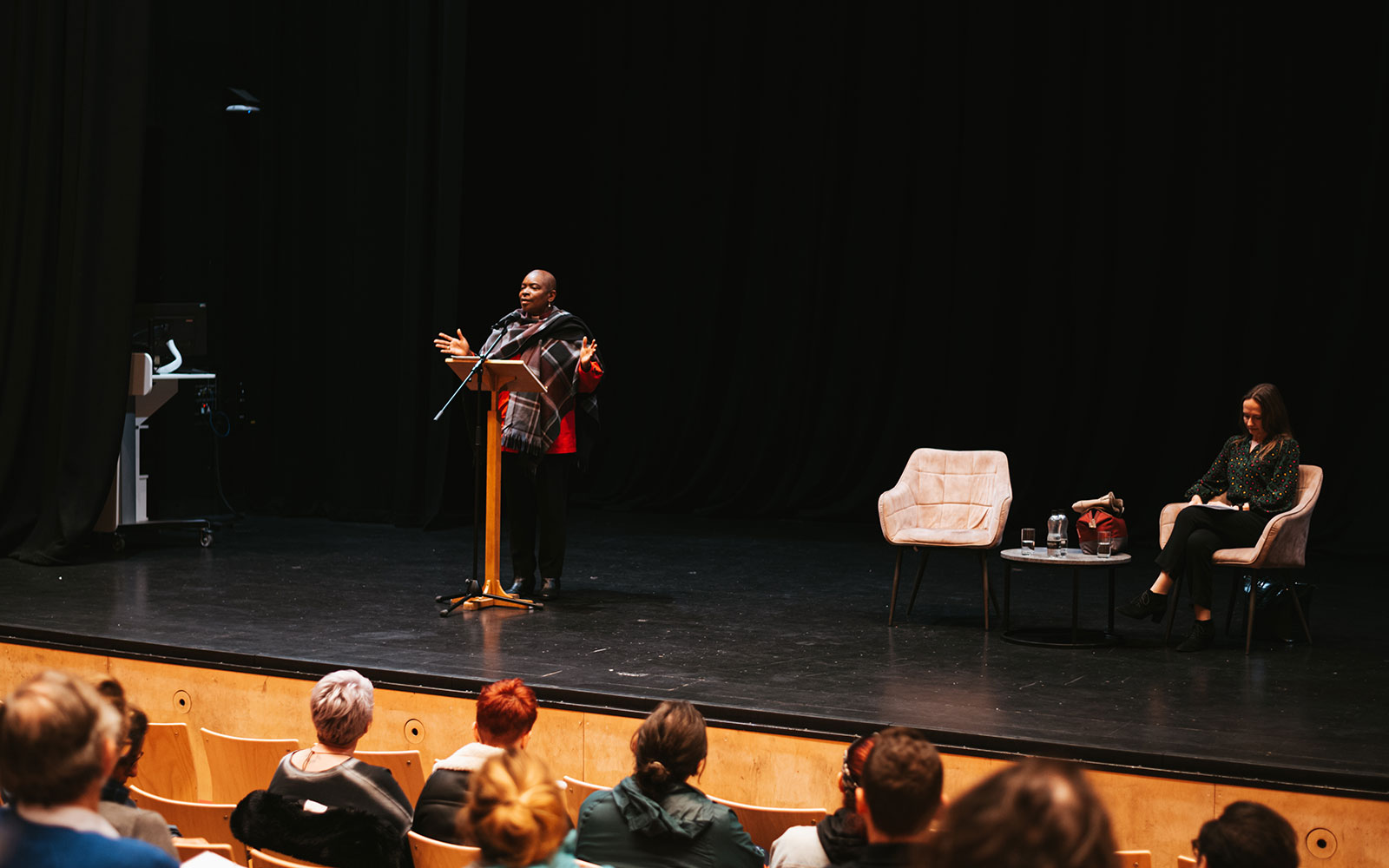
/prod01/yorksjacuk/media/content-assets/safe-images/1600-x-1000/Discussing-Decolonisation---Reading-and-Resources.jpg)
Whether you are new to decolonising work, unsure about its relevance to your field or already deeply invested, there is always scope for developing a deeper understanding of the key concepts, texts, debates and politics of decolonisation.
Although far from exhaustive, the readings and resources listed below provide a critical foundation from which to approach decolonisation within and beyond the context of higher education.
So far, we have focused on online resources, books and special issues, rather than individual journal articles. However, these pages are being continually developed and updated, and will also include discipline-specific recommendations in time.
Download the list in full: Decolonisation - Recommended reading and resources (PDF, 0.5MB)
If you would like to recommend any readings or resources, please follow the link under 'Get Involved', below. York St John staff and students can also explore some of the texts in more depth by joining our Discussing Decolonisation Reading Group.
Decolonisation in world history, theory and politics
Decolonisation in higher education
Exploring decolonisation through media and culture
/prod01/yorksjacuk/media/content-assets/safe-images/irregular-sizes/Against-Borders-book-cover-2.jpg)
Book of the Month
Against Borders: The Case for Abolition
By Gracie Mae Bradley and Luke de Noronha (Verso, 2022)
Borders harm all of us: they must be abolished. Borders divide workers and families, fuel racial division, and reinforce global disparities. They encourage the expansion of technologies of surveillance and control, which impact migrants and citizens both.
Bradley and de Noronha tell what should by now be a simple truth: borders are not only at the edges of national territory, in airports, or at border walls. Borders are everyday and everywhere; they follow people around and get between us, and disrupt our collective safety, freedom and flourishing.
Against Borders is a passionate manifesto for border abolition, arguing that we must transform society and our relationships to one another, and build a world in which everyone has the freedom to move and to stay.
/prod01/yorksjacuk/media/content-assets/safe-images/irregular-sizes/Hostile-(2022)-film-cover.jpg)
Film of the Month
Hostile
Directed by Sonita Gale (Galeforce Films) 2022, 1h 38m
Directed by Sonita Gale, Hostile is an award-winning documentary that exposes the human impact of the UK’s hostile environment immigration policies. The film premiered at the Raindance Film Festival, went on to have a strong international festival run, received a Picturehouse cinema release, and was longlisted for the BAFTA and BIFA awards.
Through the experiences of international students, members of the Windrush generation, and so-called “high-skilled migrants,” the film examines how successive UK governments have shaped an immigration system that determines who is allowed to belong. Told through the stories of four participants from Black and Asian backgrounds, Hostile reveals the lived consequences of the “hostile environment” — a term introduced by the UK government in 2012 to describe a strategy designed to make life untenable for migrants.
In the years since Brexit, the UK’s immigration system has become increasingly restrictive, with successive governments deepening the hostile environment policies rather than dismantling them. As enforcement powers grow and punitive measures are normalised, Hostile asks: once the hostile environment has been embedded across the immigration system, who will it extend to next?
Get involved

Recommend a text
If you have any readings or resources that you think should be added to the list, please complete our short form below to share your recommendations.

Join our reading group
York St John staff and students can also explore and discuss some of the key texts below by joining our Discussing Decolonisation Reading Group.
Attend an event
Attend an event in our Discussing Decolonisation public event series, hosted by the Teaching and Learning Enhancement team.