News article
The ‘Year 7 honeymoon’ and how to sustain a positive secondary school experience for pupils with SEND
Published: 03 November 2026
- Featured
- Research
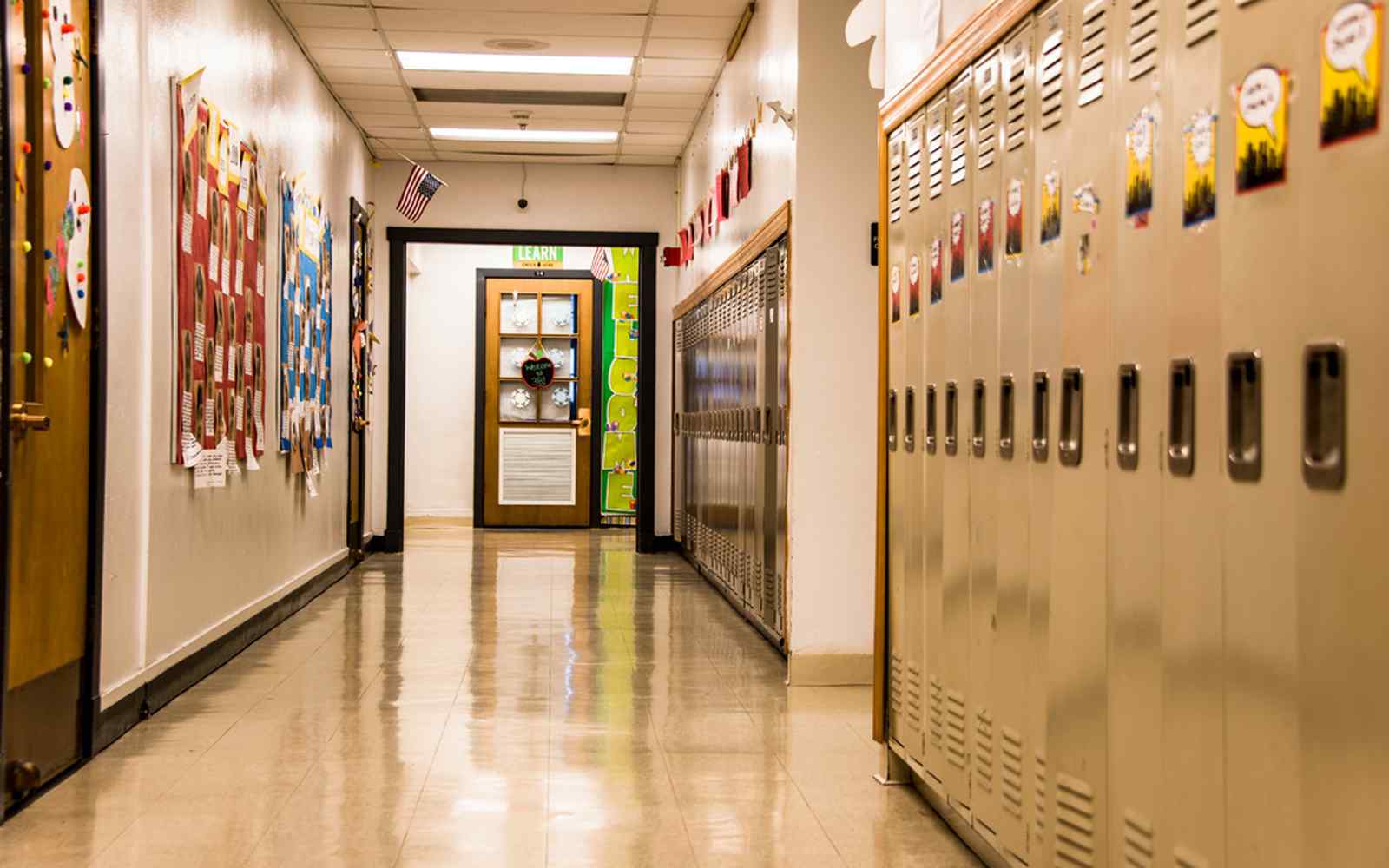
York St John University has released the timely and compelling findings from the Improving School Transition Experiences for Pupils with SEND (STEPS) research project. Produced in collaboration with Lancaster University, City of York Council and young people across the UK, the STEPS report sheds new light on children’s experiences during the move from primary to secondary school. It offers practical tips and advice on how to support children with SEND, and how to boost their wellbeing and engagement beyond the settling in ‘honeymoon period’ in Year 7.
The work was led by Professor Lorna Hamilton, Professor of Developmental Psychology and Inclusive Education at York St John University working alongside Kathryn Oliver (York St John University) and Dr Jonathan Vincent (Lancaster University).
Autism is the most frequently cited primary need in Education Health and Care Plans in England. Less than half of autistic children report being happy at school and around 31% are persistently absent according to recent surveys. The transition from primary to secondary school is a particularly high-risk period during which the increased scale, complexity, and expectations of secondary environments can overwhelm neurodivergent pupils. The STEPS project was designed to investigate primary to secondary school transition in depth, with particular focus on the perspectives of autistic and multiply neurodivergent young people in mainstream education.
Drawing on a national survey of parents and a detailed, longer-term study with 13 young people, the project shows that the transition period can be much more difficult and last much longer than is often recognised.
A key finding is what researchers describe as the “Year 7 honeymoon.” Many children appear to settle well at first, but this initial success can be misleading. As time goes on and early support begins to fade, difficulties often increase. This is especially true for pupils whose struggles are less visible, such as anxiety or emotional distress, which can easily go unnoticed. While some thrive, others experience marked and escalating difficulties through Year 7 and 8, which can contribute to escalating mental health challenges and school attendance difficulties.
Funded by the Sir Halley Stewart Trust and supported by York St John University’s Institute for Social Justice and City of York Council, the report highlights the clear need for sustained support beyond the first months of secondary school. It offers practical solutions to help vulnerable young people succeed during this critical stage of their education. Researchers give 10 recommendations for educational practitioners and policymakers:
- Strengthen primary-to-secondary information sharing.
- Extend and personalise transition preparation and support.
- Assign every pupil with SEND a named, consistent key contact at secondary school.
- Prioritise anticipatory support and preventative approaches.
- Facilitate accessible conversations about feelings.
- Work collaboratively with parents to address problems.
- Engage in high-quality, ongoing neurodiversity training for all secondary school staff.
- Review behaviour management systems for neurodivergent pupils.
- Actively foster positive neurodivergent identities through peer education.
- Scale up access to co-produced, evidence-based transition resources.
The project worked closely with families, teachers, local authorities and other partners to ensure the findings reflect real experiences. This collaborative approach has led to practical, ready-to-use resources, including toolkits, animations and training workshops. These are already being used to support SEND professionals at a local level in York.
Professor Lorna Hamilton, Professor of Developmental Psychology and Inclusive Education at York St John University said:
“The government’s recent consultation highlights the scale of the SEND crisis in English schools. Young people with additional learning needs are also over-represented in ‘NEET’ statistics - young people Not in Education, Employment or Training.
“There is an urgent need to identify ‘pain points’ in our education system that can disadvantage these young people in order to design proactive strategies for inclusion. Harnessing young people’s perspectives through participatory research gives unique insight into what can go wrong through the transition to secondary school, and what could be changed to promote positive outcomes for young people with SEND.”
In her foreword in the report, Rachael Maskell, Member of Parliament for York Central calls the work ‘practical resources for positive change in partnership with young people.’ She said:
“The coproduced materials created through this work demonstrate how research can support schools in meaningful and accessible ways. At a time when many school staff are working under immense pressure, resources grounded in both research evidence and young people’s firsthand experiences are invaluable.
“These findings will resonate strongly with many families in York and across the wider region. Locally, as nationally, schools, local authorities, and community organisations are striving to build more inclusive approaches to SEND provision amid rising levels of need and constrained resources.
“I hope the report will be widely read by policymakers, school leaders, and educators alike to help ensure that future policy and practice are informed by the voices of children with SEND.”
Professor Lorna Hamilton has now been invited to join a City of York Council working group to focus on improving primary-to-secondary transition processes across the city.
Maxine Squire, Assistant Director, Education and Skills, City of York Council said:
“The findings from the STEPs project have provided an invaluable opportunity to translate the evidence from lived experience into practical advice that can be used in every secondary school to support young people through the vital first year of transition to secondary school.
"Central to this experience is to encourage school staff to remain professionally curious about the subtle but powerful changes that they can make to deliver mainstream inclusion. At the heart of this report is the importance of the voice of children and young people; it’s vital their voices are heard by policy makers and school leaders to truly transform secondary education so that it works for every child.”
Read the full report here STEPS-Final-Project-Report.pdf
Related articles
6 new community groups selected to receive research support and funding from York St John University
- Featured news
- Community
- Research

Weight loss drug users turn to social media over doctors for advice, new study finds
- Featured news
- Research
Contact us
Communications team
York St John University, Lord Mayors Walk, York, YO31 7EX
01904 876 466
To contact us out of hours, phone 07812 365 499